Our clients about us
"Awesome communication! Awesome products! Fast shipping for 4000 products!"
Cristian from Ruvix, Romania
"Our event was very successful and the bracelets were super received by the guests!"
Verena from Hugo Boss, Germany
"I am delighted with the professional service and communication. They were very accommodating and always responded quickly. It is not often that I cooperate with a company abroad (in this case in Poland) and at the same time leave opinions! In this case, I am glad that I do it, really true 5-star review!”
Lars from proWIN nexus GmbH, Germany
"I recommend! Very professional customer service. Product quality 10/10 + fast shipping. I am very satisfied."
Magda from Play Albums, Poland
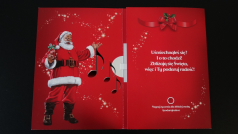
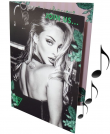
"We confirm our full satisfaction after your supply of music card.
We were very satisfied of your punctuality, precision and quality.
We have received many compliments from our very important customer "GUESS".
Thanks very much for your collaboration.
Idee Comunicazione & Marketing srl" Italy
"Idea4fun's services and products are of high quality, orders are processed on time, so we can count on professional and professional technical advice.
Given the above, we recommend Idea4fun as a reliable and reliable contractor.
HZT Hebe & Zurrtechnik" Germany
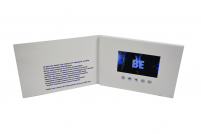
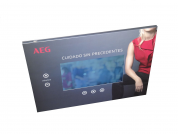
"We are pleased with the professional service we received from Idea4fun. The LCD screens we use on a daily basis in implemented projects meet our high expectations.
Thank you for effective cooperation.
Kolejkowo" Poland
"We are SUPER happy with the cookies – with the design as well as in quality of taste and packaging!"
Katharina from Goja Design GmbH, Germany
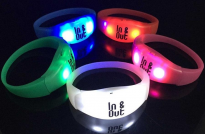
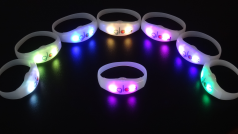
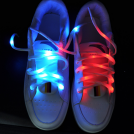
"A company with professional communication. International delivery is on time. I had the pleasure to do business with them. LED wristbands work much better than I thought :)"
Kšyštof from CreoEvents, Lithuania
"Despite time constraints, you showed great professionalism in your actions. Once again, thank you very much for this cooperation!"
Tetian from Hill+Knowlton Strategies, Poland
"I definitely recommend it! The ordered wedding invitations with the selected melody were prepared very carefully and the effect is delightful. Contact with Mr. Radosław was professional and very efficient."
Simon, Poland
"Service, contact and the final result 10/10. Thank you very much on behalf of myself and the client :) An event for about 1,000 people would certainly not be the same without a product such as mega eye-catching headbands!"
Michalina from DOTPR, Poland
_________________________________________
We only serve business entities. We do not sell retail.
We prepare appropriate ones for the customer's needs
tests and certificates, including:

 NFC stickerNFC stickerSee more
 NFC Epoxy TagsNFC Epoxy TagsSee more
 Silicone wristbands with RFIDSilicone wristbands with RFIDSee more
 PVC wristbands with RFIDPVC wristbands with RFIDSee more
 Nylon wristband with RFIDNylon wristband with RFIDSee more
 NFC textile wristbandNFC textile wristbandSee more
 Elastic Polyester Wristband with RFIDElastic Polyester Wristband with RFIDSee more